01 · Energy
Increased sustainable clean energy capacity
Clean, on-site power planned with the campus, so growth is not held to grid expansion timelines.
Building Innovation Campus Corporation
Integrated infrastructure development for industry, utilities and communities — strategic land, utility infrastructure, qualified technology partners and investment relationships, coordinated as one.
01 The constraint
Power availability, water and wastewater capacity, and the costs of fragmented development can determine whether a project advances. BICC approaches these connected problems together, beginning with site and customer requirements.
Clean, on-site power planned with the campus, so growth is not held to grid expansion timelines.
Wastewater is treated, reclaimed and returned to beneficial reuse — a resource, not a disposal cost.
Power, water, wastewater and reuse delivered as long-term utility services under one agreement.
Hydrovlux brings the funding and defers capital improvement costs, while a minimum 20-year offtake secures long-term cost control.

Vision
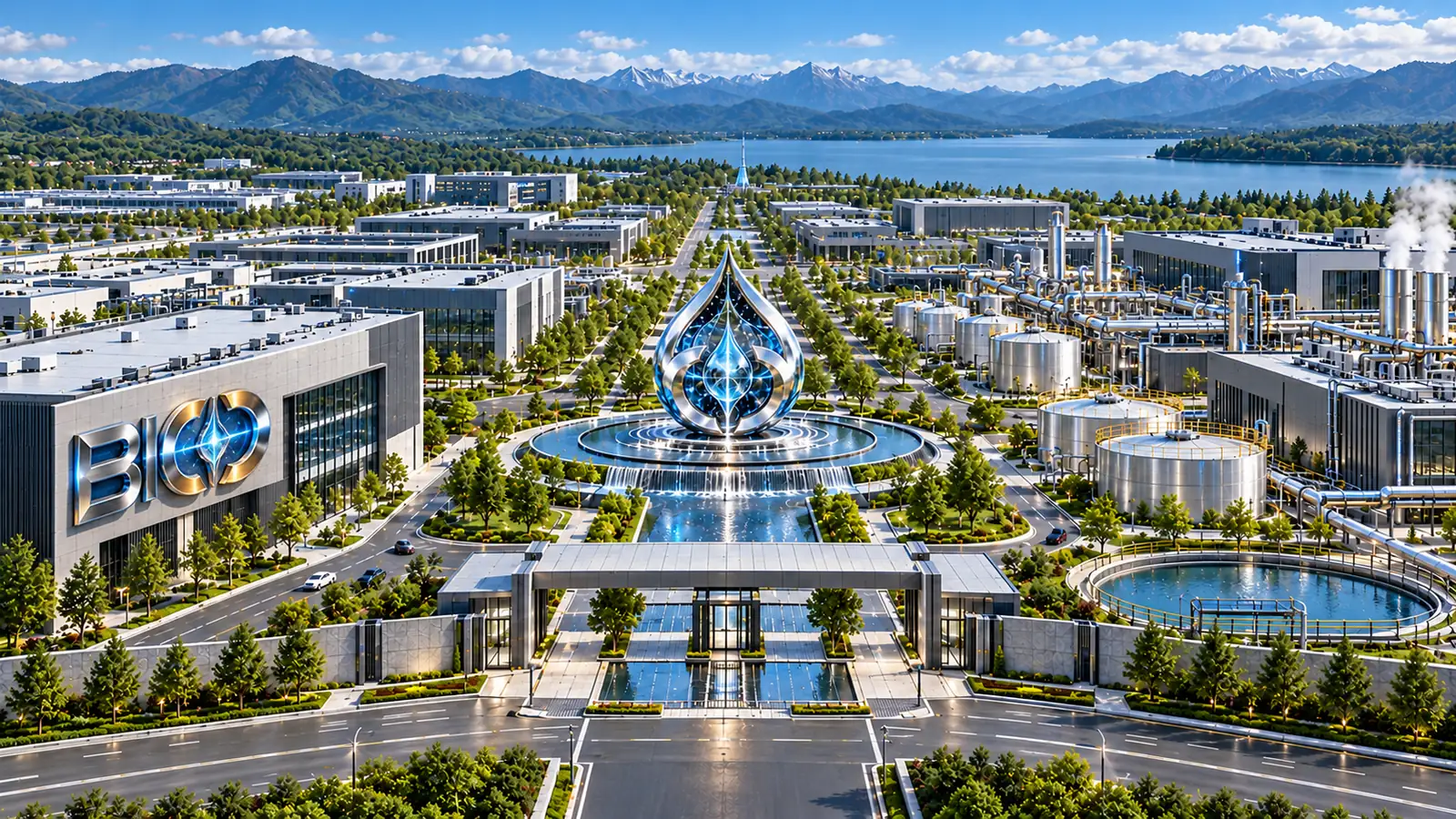
Industry, clean energy, reclaimed wastewater, wastewater treatment and beneficial reuse planned together as one site — replacing many contracts with one.
02 The model
BICC coordinates the development platform. Select any part of the network to see who does what.
03 Audience pathways
Develop sites around real acreage and utility requirements.
Discuss an Industrial Site Public serviceExplore practical responses to persistent service constraints.
Discuss Infrastructure Capital & deliveryEvaluate land, delivery capability and investment relationships.
Explore a Partnership04 Campus opportunities
BICC is evaluating infrastructure-led campus opportunities in Southern Oregon and beyond.
Jackson County · Rogue Valley
Jackson County · Rogue Valley
Douglas County · Umpqua Valley
Site details, capacities and partners will be published once site permissions, development stage and disclosures have been verified.
05 Development process
Customer problem, site, demand and an authorized sponsor.
Parcel control, zoning, loads and flows, counterparties and constraints.
Engineering basis, resource rights, preliminary economics and delivery risk.
Owner/operator map, term sheet, financing pathway and permits.
Definitive contracts, committed capital, approved design and permits.
Acceptance criteria, independent tests, operations and maintenance plan, and meters.
Service reporting, maintenance, covenant and stakeholder obligations.
Each stage is subject to its own reviews and agreements.
06 How we work
Label conceptual renders, modeled output and unverified milestones accurately.
Use defined stage gates, evidence and commissioning milestones.
Specify asset owner, operator, customer, service boundary and responsible party in every agreement.
Distinguish financing interest, conditional commitments and closed funding.
Start here
Land, power, water, wastewater or a combination: identify the constraint and we will route your inquiry to the appropriate team.